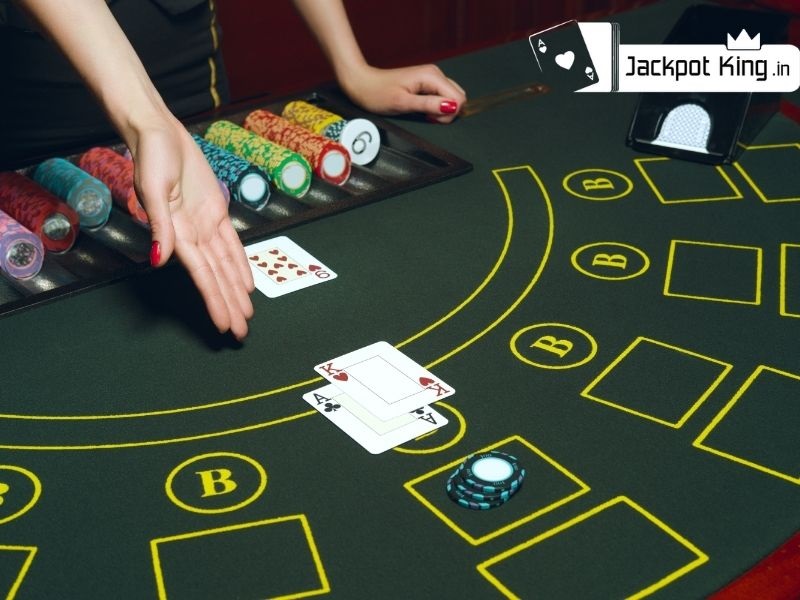



Online gaming looks nothing like it did five years ago. Crypto changed everything about how people play and get paid. Digital coins opened up possibilities nobody saw coming back then. Sites built around ethereum betting website tech give players something genuinely different from old-school options. You can use your crypto directly without converting to regular money first. People who already hold ETH find these platforms way more convenient. The whole scene keeps expanding as word gets around about what blockchain gaming actually offers.
Most crypto gaming sites don’t try to be fancy with their design. Menus stay simple. Games sit in obvious categories. You won’t spend twenty minutes hunting for what you want to play. The wallet connection button usually pops up front and centre when you first visit. Connecting takes thirty seconds if you’ve used MetaMask before. Click connect, approve the request, and your balance appears on screen. That’s it. Moving money in and out uses basic forms that ask for amounts and addresses. Nothing complicated. Your funds show up in real-time, so there’s no guessing about what you’ve got available. First-timers pick it up quickly enough without reading help docs.
Blockchain lets these sites prove they’re running clean operations. Every single bet gets hashed and recorded before outcomes are determined. Players can personally verify results using public verification tools. No trusting the house to play straight. The math checks out, or it doesn’t. Random number generation uses seeds and client inputs that anyone can examine after rounds finish. Changing results after the fact becomes impossible once data hits the blockchain. Some operators publish their entire code openly on GitHub. Independent auditors tear through smart contracts looking for exploits or rigged mechanics. You don’t get this kind of transparency from Vegas establishments or traditional online books. The difference matters to people tired of taking operators at their word.
Your keys, your coins. That saying holds on decentralised platforms. Private keys stay in your wallet always. The site never touches them unless you’re actively playing. Most places skip email signups entirely. No passwords cluttering up your brain. Just wallet addresses serving as login credentials. Whatever wallet you prefer handles authentication automatically. Click to connect when you visit, approve the session, and you’re in. The platform doesn’t custody funds sitting idle in your account. Everything stays in your wallet until you decide to play. Site goes down unexpectedly? Your balance remains untouched in the wallet you control. This flips normal gaming on its head, where operators hold everyone’s money in pooled accounts.
Crypto gaming sites build actual communities instead of treating players like anonymous cash sources. Chat boxes run alongside games where people celebrate huge wins or commiserate over brutal beats. Strategy talk happens constantly. Experienced players share tips with folks just starting. Makes the whole thing less lonely than grinding alone. Tournament schedules bring competitive players together regularly. Leaderboards rank performers across game categories. Bragging rights matter. Discord servers link up with platforms, creating spaces for deeper discussions away from the main site. Some projects give token holders voting power on future development choices. Users actually shape how platforms evolve instead of just accepting whatever management decides. That collaborative feel separates crypto gaming from traditional operators who barely acknowledge their customers exist beyond deposit statistics.